An aspect of homeownership that new buyers often dread is the additional responsibilities
that they signed up for. Without regular maintenance, your home will break down, leading to
expensive repairs or replacements and even a reduction in value. Several major structures
and elements of your house, such as the roof, will require regular inspection and
maintenance. Therefore, it is crucial to inform yourself about the ins and outs of the
processes involved in this.
In this article, we will explain some primary reasons roof inspection and maintenance is
important, and some simple ways for you to check this structure regularly.
Maintenance extends the life of your home
One of the most important reasons for regular maintenance on every structure of your house
is to extend its life span. Your house will require major repairs and replacements less often
if you maintain it. Modern homes may only last for 20 to 40 years before they break down.
Investing in regular maintenance every year can help extend the life of all the structures in
your house.
Maintenance reduces the cost of repairs
Another important reason to do maintenance on your home is to reduce the likelihood that a
major repair or breakdown will occur. Some important elements of your home that require
maintenance are appliances, plumbing fixtures, air conditioner, and things like gutters and
smoke detectors. Other items that require regular maintenance also include HVAC systems,
windows, doors, and roofs just to name a few.
To ensure the structural integrity and increase the lifetime of your room, it’s easier and less
costly to maintain and do minor repairs than neglecting this until a major repair or
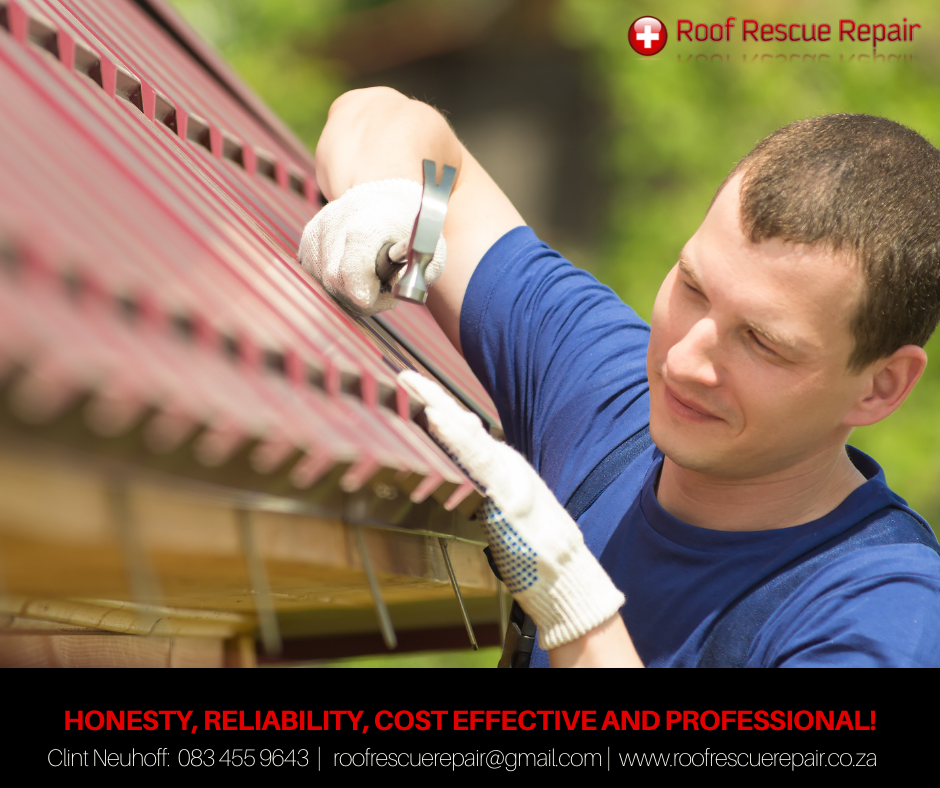
replacement is necessary. Check your roof annually for leaky spots or broken tiles. An
annual inspection with some minor maintenance will delay the need to replace the roof. In
addition, fixing a minor leak before it becomes a major problem could end up saving you
thousands.
A roof withstands more from the elements than any other component of a home. How often
you need to do roof inspections and maintenance will dependent on the geographical
location of the building, whether the structure is close to the sea or in other harsh conditions.
Here follow our tips for regular roof inspections and minor maintenance:
Title H2: Roof exterior inspections and maintenance
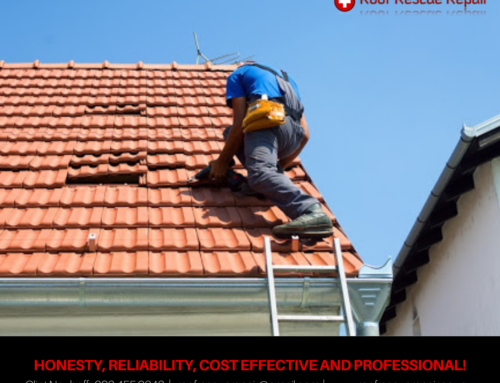
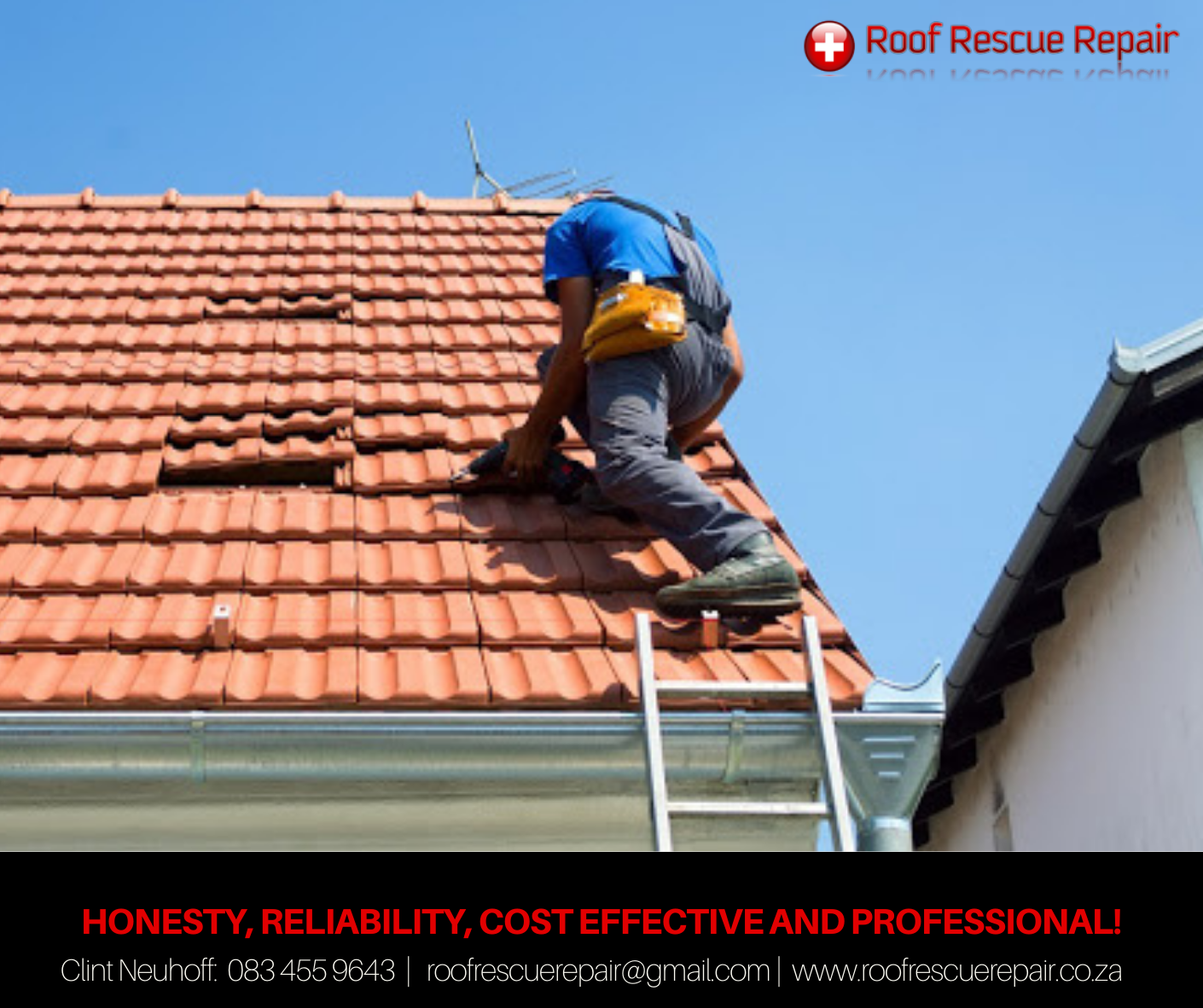
Be sure to check for any cracked roof tiles, loose sheeting and loose roof screws. These
may cause leaks, which could damage the interior timber of the roof structure and cause or
worsen wood rot. Look for open areas around installed antenna shafts and chimneys, while
inspecting the condition of waterproofing membranes. Crumbling chimney mortar could be a
sign of moisture penetration, which will need urgent repair.
In order to prevent fungal attack or rot from moisture, maintain all timber roof overhangs
regularly. Loose fascia boards and leaking gutters are the most common cause of leaks onto
roofing timber. Check for any creeper plants growing onto the overhanging roof timbers that
will need to be removed or trimmed back. Keep all gutters free from debris and make sure
the downpipes are draining properly by water testing them.
Consider installing zinc or lead control strips on the roof exterior to help control moss or
algae. These strips form harmless zinc oxide when rainwater runs over them, preventing
further moss or algae growth from occurring.
Ensure all flashings are in good condition and secure or replace any loose shingles. Trim
back any overhanging tree branches and check any metal on the roof for signs of rust. Pay
attention to all caulking and sealants, and scrape and remove any caulking that are
weathered damaged, and reapply. If the roof has gravel surfacing, be alert to any bare spots,
otherwise, check for blisters in the roofing material.
Build-up of salt or dirt can encourage rust on steel roofs, and moss and lichen growth on
tiled roofs. Some manufacturer’s warranties advise regular washing, particularly in areas that
do not receive frequent rain. We advise frequent washing and inspection to prevent salt and
dirt build-up.
Roof interior inspections and maintenance
Cracked timber components are the first warning signs of roof structure deterioration. It is
vital that you inspect all the components of the roof structure after new services, like
plumbing, electrical and/or a fireplace installation. Check the interior of the roof for any leaks,
as these may indicate leaking roof membranes.
Painting roof timber when it is showing signs of rot will only worsen the problem; therefore, it
is best to replace the affected timber. You should only paint on healthy timber surfaces.
Title H2: Additional loading of roof structures
With additional loading such as cooking canopies for smoke or stream extraction from the
kitchen, it is important to ensure that the load is spread across over more than one truss.
You should establish the load of the item before installation and check the truss design for
any added loads. We advise you use a professional to install new items in roofs, such as
additional ceilings, bulkheads and chimneys. We do not recommend that you use the open
space within the roof interior for storage unless the design of the roof specifically makes
provision for this.
Title H2: Legal compliance for roof structures
As per the Construction Regulation 2014 Occupational Health and Safety Act of 1993, an
owner of a structure must ensure that:
Inspections of the structure are carried out periodically by a competent person in order to
render the structure safe for continued use;
That the inspections contemplated in paragraph a) are carried out at least once every six
months for the first two years and thereafter yearly;
The structure is maintained in such a manner that it remains safe for continued use;
The records of the inspections and maintenance are kept and made available on request to
an inspector.
The roof is a structurally important and very costly component of a building, and the average
cost of a roof as a portion of the completed building can easily exceed 25%. Costs
associated with repair or replacement of the roof structure will exceed this because of the
additional work required to establish structural integrity. For this reason, it is crucial that you
regularly inspect a roof structure on any building for problems and that you ensure complete
and immediate repairs.
All nail-plated timber roof structures must be designed, manufactured, erected and inspected
by ITC-SA accredited members who have been awarded a Certificate of Competence. An
A19 Certificate will be issued on compliance, which is required by the Local Authority before
issuing an occupation certificate.
Roof Rescue repair can assist with any inspection and repairs or replacements for your
home’s roof.
Contact us to book a consultation when most convenient for you.
Sources: https://www.home-dzine.co.za/home-Improvement/improve-roof.html
https://dengarden.com/home-improvement/Why-Investing-in-Home-Maintenance-is-Worth-It